

Environmental & Industrial Solutions
Waste to Energy Solutions
Practical solution pathways for energy recovery, resource utilisation, and more productive handling of waste-linked streams.
GSEL supports waste to energy solution opportunities where recovery potential, operational practicality, and implementation alignment are central to successful delivery.
- Home
- Environmental & Industrial Solutions
- Waste to Energy Solutions
Environmental & Industrial Solutions
Discuss Your Waste to Energy Requirement
Whether the need relates to recovery potential, waste handling efficiency, or site-based implementation, GSEL can help frame the right waste to energy solution for the intended environment.
Solutions
Recovery Pathways Designed for Practical Deployment
Waste to energy solutions are increasingly relevant where waste handling, recovery potential, and infrastructure practicality must be considered together. In these environments, successful solution direction depends not only on the technical process itself, but on how well the overall pathway aligns with feedstock realities, site conditions, operational requirements, and long-term delivery objectives.
GSEL supports waste to energy opportunities by helping frame relevant pathways for applications linked to energy recovery, waste-stream utilisation, operational efficiency, and broader resource value. The objective is to align practical solution direction with the realities of the intended environment and the requirements of implementation.
Suitable for Recovery and Waste-Linked Applications
Municipal Waste Environments
Applications relevant to waste-linked municipal systems, handling environments, and broader public-service infrastructure.
Industrial & Commercial Waste Streams
Recovery opportunities linked to operational waste generation, handling requirements, and site-based processing environments.
Resource Recovery Facilities
Solutions relevant to environments where waste separation, processing, and value recovery are central priorities.
Energy Recovery Pathways
Applications where waste-linked streams may support more productive energy utilisation or conversion potential.
Site-Integrated Waste Handling
Practical opportunities linked to facilities, compounds, or operational environments where waste handling and recovery must be aligned.
Circular Economy Applications
Approaches that support improved utilisation of materials, byproducts, and waste-linked resource streams.
Technology Context
Non-Incineration Processing with Recovery-Focused Outputs
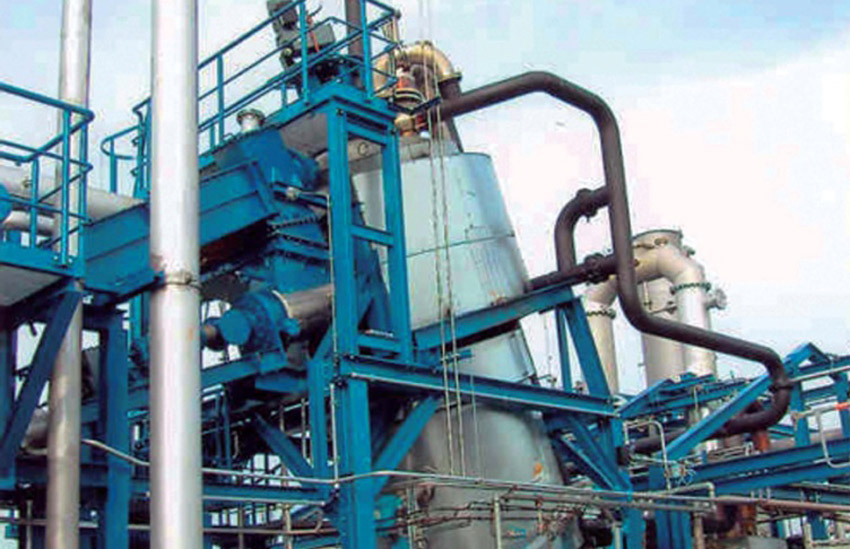
Waste to energy opportunities may involve non-incineration processing pathways designed to support the conversion of suitable waste streams into more productive energy and recovery outputs. In these environments, the relevance of the technology lies not only in conversion itself, but in how the overall solution aligns with feedstock realities, site conditions, operational priorities, and implementation requirements.
For GSEL, the focus is on helping frame these opportunities as structured solution pathways — where recovery potential, operational practicality, and deployment context are considered together rather than treating the technology as a standalone machine proposition.
Why It Matters
Improving Recovery, Efficiency, and Operational Value
Well-structured waste to energy solutions can do more than improve waste handling. They can support recovery potential, reduce operational burden, improve infrastructure efficiency, and create more productive pathways for managing waste-linked streams in demanding environments.
In many contexts, the value lies not only in disposal reduction, but in aligning waste management with broader recovery, utilisation, and implementation objectives.
Key Considerations
What Should Be Aligned Before Deployment
The right waste to energy solution depends on the nature of the waste stream, the recovery objective, the site realities, and the practical conditions of implementation.
-
Waste Stream Profile Composition, variability, handling characteristics, and relevance to recovery or conversion pathways.
-
Recovery Objective Energy generation, value recovery, utilisation improvement, or broader waste-burden reduction target.
-
Site Conditions Available footprint, infrastructure context, access, logistics, and operating realities of the site
-
Operational Requirement Throughput expectations, handling practicality, continuity needs, and wider operational priorities.
-
Integration Context Standalone, site-integrated, municipal, commercial, or phased deployment structure.
-
Implementation Practicality Commercial alignment, operational fit, and the realism of the proposed pathway for the intended environment.
Where It Fits
Built for Waste Handling, Recovery, and Infrastructure-Led Contexts
-
Municipal Systems Relevant to public-service environments where waste handling and recovery potential are linked to wider infrastructure priorities.
-
Industrial Sites Applications relevant to operating environments with consistent waste-linked streams and site-based recovery considerations.
-
Commercial Facilities Support for facilities and estates where waste handling, resource utilisation, or disposal reduction are important operational concerns.
-
Processing Environments Relevant to environments where separation, handling, conversion, or wider recovery workflows are central.
-
Infrastructure-Led Projects Applications linked to implementation environments where waste processing and energy recovery must be practically aligned.
-
Constrained or Transitional Sites Solution pathways for environments where operational limitations require practical, staged, or site-sensitive approaches.
GSEL Approach
A Structured Route from Requirement to Application
GSEL supports waste to energy opportunities by helping define solution pathways that align recovery ambition with practical deployment logic. That includes understanding the use case, reviewing feedstock and site context, and helping frame a commercially credible, implementation-aware direction for the opportunity.
Whether the requirement relates to municipal waste handling, commercial recovery potential, infrastructure support, or wider circular-use objectives, the goal is to support a route to application that is realistic, relevant, and aligned with delivery.
Next Step
Looking to Assess the Right Waste to Energy Solution?
Whether the requirement relates to recovery potential, waste handling efficiency, site-integrated utilisation, or broader infrastructure support, GSEL can help frame the right waste to energy pathway for the intended environment.