

Wastewater Treatment Solutions
Wastewater Reuse & Recovery
Structured wastewater reuse and recovery pathways for water resilience, resource efficiency, operational value, and practical implementation.
- Home
- Solutions
- Wastewater Treatment Solutions
- Wastewater Reuse & Recovery
Our Wastewater Solutions
Discuss Your Reuse & Recovery Project
For wastewater reuse planning, recovery-focused treatment, water resilience, or modular implementation support, GSEL can help define the right reuse and recovery pathway for your project.
Overview
Wastewater reuse and recovery solutions structured for value and practical delivery
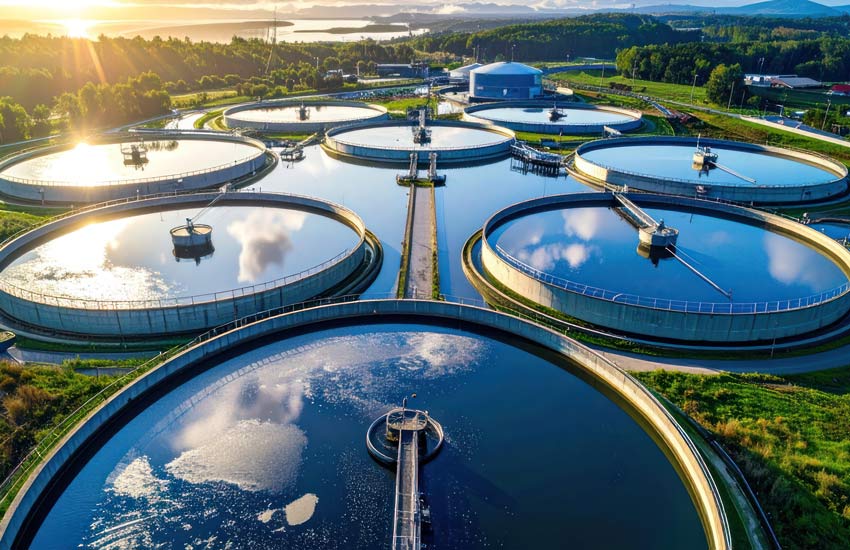
GSEL supports wastewater reuse and recovery opportunities where treatment is not only about compliant discharge, but also about unlocking operational value through water recovery, reuse readiness, and more efficient resource management. Through specialist treatment capability, we help shape solution pathways for industrial, commercial, municipal, and infrastructure-related environments where treated effluent can support a secondary operational purpose or reduce dependence on stressed freshwater resources.
Rather than approaching reuse and recovery as a bolt-on objective, GSEL frames each requirement within the wider project context, including wastewater characteristics, reuse targets, discharge constraints, contaminant profile, treatment reliability, site conditions, and downstream integration requirements. This helps ensure that the selected pathway is technically credible, commercially coherent, and practically suited to implementation. Reuse and recovery are most effective when aligned to a clearly defined end use, operational objective, and treatment standard.
Where Wastewater Reuse & Recovery Fits
Wastewater reuse and recovery may be relevant across a wide range of applications depending on effluent quality, recovery objective, and operating environment.
Typical applications include:
-
Industrial water reuse within manufacturing and process operations
-
Utility-water offset and freshwater demand reduction
-
Treated effluent recovery for secondary operational use
-
Commercial, municipal, and decentralised reuse pathways
-
Water-stressed environments where resilience is a strategic priority
-
Treatment systems where recovery supports both compliance and cost efficiency
What a Wastewater Reuse & Recovery Pathway May Involve
Effective reuse and recovery performance depends on matching the treatment pathway to actual project conditions and the intended end use of the recovered water. Key variables may include suspended solids, organics, nutrients, dissolved contaminants, microbiological risk, salinity, reuse-quality targets, hydraulic variability, storage considerations, and available footprint.
A well-structured wastewater reuse and recovery pathway may involve:
-
Wastewater assessment and reuse-objective alignment
-
Primary and secondary treatment for contaminant reduction and process stabilisation
-
Polishing stages such as filtration, ultrafiltration, oxidation, or membrane treatment where required
-
Biological, electrocoagulation, or clarification support depending on the wastewater profile
-
Disinfection and final quality conditioning for intended reuse application
-
Modular system configuration, controls, and monitoring to support consistent recovery performance
Operational Value
A well-positioned wastewater reuse and recovery system can deliver more than treated effluent alone. It can help reduce freshwater dependence, support water-security objectives, improve resource efficiency, strengthen sustainability performance, and create a more resilient operating model.
Where correctly configured, reuse and recovery pathways can also support lower long-term water costs, improved site-level water management, stronger treatment consistency, and a more structured route to operational efficiency in environments where water availability, discharge pressure, or resource constraints are increasing.
How GSEL Positions Wastewater Reuse & Recovery
GSEL helps translate wastewater reuse and recovery requirements into structured, application-specific solution pathways. This includes aligning treatment priorities with effluent realities, identifying the most appropriate process direction, and supporting a pathway that is technically credible, commercially coherent, and practically suited to implementation.
Where the requirement relates to water reuse, recovery-focused treatment, resource efficiency, resilience planning, or modular delivery, our role is to help define the right reuse and recovery pathway with clarity, technical relevance, and execution focus.