

Water Treatment Solutions
Ultrafiltration Solutions
Advanced membrane filtration for higher water quality, treatment consistency, and reliable downstream protection.
- Home
- Solutions
- Water Treatment Solutions
- Ultrafiltration Solutions
Our Water Solutions
Discuss Your Ultrafiltration Project
For membrane filtration, process water improvement, tertiary polishing, or pretreatment integration, GSEL can help define the right pathway for your project.
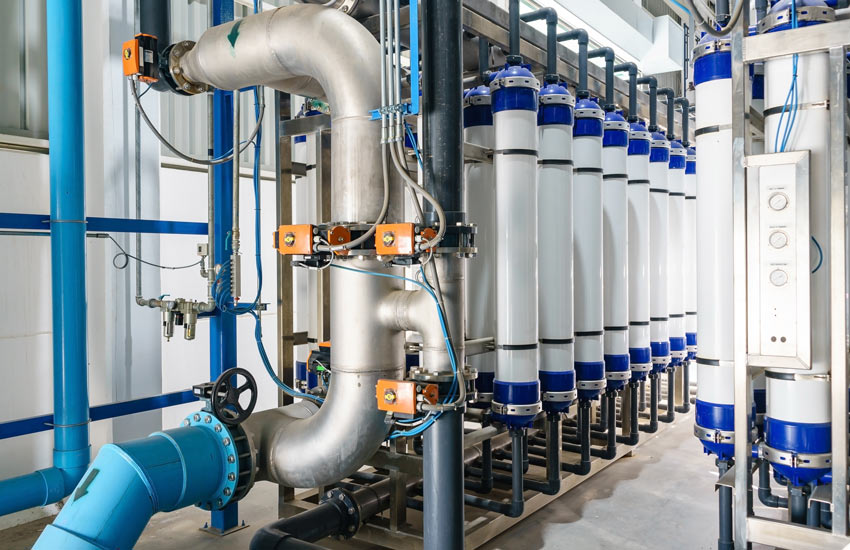
Overview
Ultrafiltration solutions structured for water quality and practical delivery
GSEL supports ultrafiltration opportunities where water quality consistency, filtration performance, and operational practicality are critical to successful implementation. Through specialist membrane treatment capability, we help shape solution pathways for industrial, commercial, municipal, and infrastructure-related environments where fine solids removal, microbiological control, and treated water quality are central to project success.
Ultrafiltration can play an important role in process water treatment, drinking water improvement, tertiary polishing, water reuse, and pretreatment ahead of downstream membrane systems such as reverse osmosis. Rather than treating ultrafiltration as a standard equipment selection exercise, GSEL frames it within the wider treatment objective, including feedwater conditions, solids profile, microbiological risk, downstream process requirements, footprint constraints, and long-term operating practicality.
Where Ultrafiltration Fits
Ultrafiltration may be relevant across a range of treatment environments depending on source-water conditions, performance requirements, and the intended end use of the treated water.
Typical applications include:
-
Process water treatment for industrial and manufacturing operations
-
Drinking water and potable water improvement
-
Tertiary polishing for wastewater reuse applications
-
Greywater or recycled water recovery
-
Pretreatment for reverse osmosis desalination systems
-
Surface water, well water, or variable raw water sources requiring higher filtration precision
What an Ultrafiltration Pathway May Involve
Effective ultrafiltration performance depends on how well the system is matched to actual project conditions. Key variables may include suspended solids concentration, fouling potential, oil and grease content, source-water variability, recovery expectations, and whether the system is intended as a standalone treatment stage or as part of a wider integrated process.
A well-structured ultrafiltration pathway may involve:
-
Feedwater assessment and application-specific membrane selection
-
System configuration suited to solids loading and fouling risk
-
Outside-in or inside-out membrane arrangements where appropriate
-
Dead-end or crossflow operation based on process requirements
-
Integration with upstream pretreatment and downstream polishing stages
-
Automation, backwash capability, and controls for operational consistency
Operational value
A well-positioned ultrafiltration system can deliver more than filtration performance alone. It can help improve treated water consistency, reduce particulate-related operating issues, strengthen downstream treatment stability, and provide a more robust platform for reuse or further polishing.
Where correctly configured, ultrafiltration can also support stronger process reliability, better protection for downstream membrane systems, and a more structured pathway to long-term operational performance.
How GSEL Positions Ultrafiltration Solutions
GSEL helps translate ultrafiltration requirements into a structured, application-specific solution pathway. This includes aligning treatment objectives with feedwater realities, identifying where UF is most appropriate within the wider treatment train, and supporting a direction that is technically credible, commercially coherent, and practically suited to implementation.
Where the requirement relates to process water improvement, pretreatment ahead of reverse osmosis, tertiary polishing, or higher-quality recovery and reuse, our role is to help define the most relevant membrane treatment pathway with clarity, technical relevance, and execution focus.