

Water & Wastewater Solutions
Modular Treatment Systems
Structured modular treatment pathways for faster deployment, scalable performance, and practical implementation across water and wastewater applications.
- Home
- Solutions
- Water & Wastewater Solutions
- Modular Treatment Systems
Our Treatment Solutions
Discuss Your Modular Treatment Project
For modular water or wastewater treatment, phased deployment, retrofit implementation, or scalable treatment infrastructure, GSEL can help define the right modular treatment pathway for your project.
Overview
Modular treatment systems structured for flexibility and practical delivery
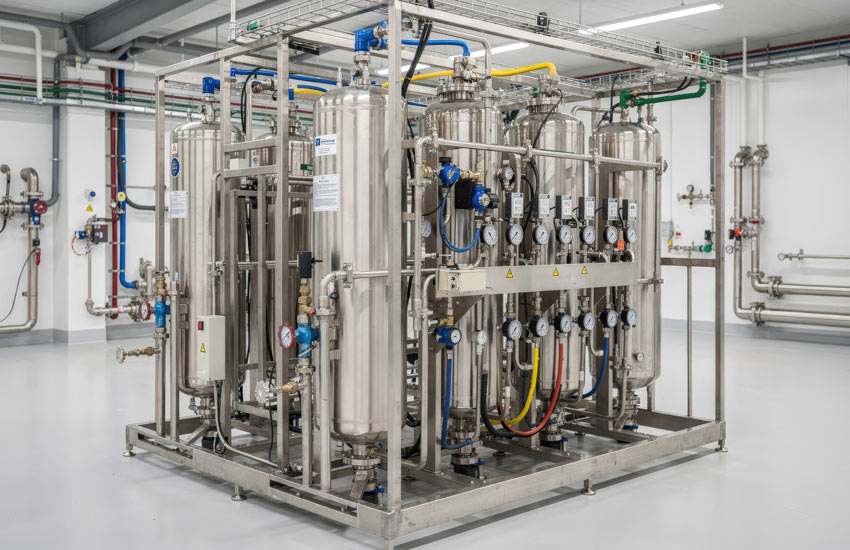
GSEL supports modular treatment opportunities where deployment speed, scalability, footprint efficiency, and implementation practicality are central to project success. Through specialist modular treatment capability, we help shape solution pathways for industrial, commercial, municipal, and infrastructure-related environments where water or wastewater treatment must be delivered in a more flexible, controlled, and execution-ready format.
Rather than treating modular systems as standard packaged units, GSEL frames them within the wider project objective, including treatment requirements, operating conditions, site constraints, expansion potential, transport and installation considerations, and downstream integration needs. This helps ensure that the selected pathway is technically credible, commercially coherent, and practically suited to implementation.
Modular treatment systems are especially relevant where projects require custom-tailored treatment aligned to a specific application, rather than an inflexible one-size-fits-all configuration. That application-led modular logic is also central to how your specialist partner presents its own modular systems capability.
Where Modular Treatment Systems Fit
Modular treatment systems may be relevant across a wide range of environments depending on treatment objectives, site conditions, and the required deployment model.
Typical applications include:
-
Decentralised water and wastewater treatment infrastructure
-
Industrial and commercial treatment facilities requiring phased implementation
-
Retrofit upgrades where space, disruption, or installation time must be controlled
-
Remote or constrained sites where compact deployment is critical
-
Projects requiring scalable treatment expansion over time
-
Water and wastewater environments where transportable, engineered treatment systems offer a more practical delivery route
What a Modular Treatment Pathway May Involve
Effective modular treatment performance depends on matching the deployment pathway to actual project conditions. Key variables may include influent quality, treatment objectives, process complexity, available footprint, utility access, installation constraints, expansion requirements, and whether the system is intended as a standalone treatment asset or part of a wider integrated process.
A well-structured modular treatment pathway may involve:
-
Application-specific treatment assessment and modular process alignment
-
Containerised, skid-mounted, or compact engineered treatment configuration
-
Integration of membrane, electrochemical, biological, oxidation, filtration, or polishing stages as required
-
Modular design suited to staged deployment, retrofit implementation, or future expansion
-
Factory-based system assembly to support greater installation control and consistency
-
Automation, monitoring, and controls to support operational reliability
Operational Value
A well-positioned modular treatment system can deliver more than treatment performance alone. It can help reduce site disruption, improve installation efficiency, support faster deployment, simplify phased expansion, and create a more structured route to long-term treatment delivery.
Where correctly configured, modular systems can also support better implementation control, stronger consistency in treatment performance, and a more commercially practical pathway for projects where traditional stick-built treatment infrastructure may be slower, less flexible, or more difficult to execute.
How GSEL Positions Modular Treatment Systems
GSEL helps translate modular treatment requirements into structured, application-specific solution pathways. This includes aligning treatment priorities with real site conditions, identifying the most appropriate modular process direction, and supporting a pathway that is technically credible, commercially coherent, and practically suited to implementation.
Where the requirement relates to decentralised treatment, staged deployment, retrofit delivery, scalable infrastructure, or compact engineered treatment systems, our role is to help define the right modular treatment pathway with clarity, technical relevance, and execution focus.